Moisture content is the percentage by mass of water (H₂O only) in a sample, excluding volatile organic compounds such as ethanol. It is a subset of Loss on Drying: LOD captures all volatiles, moisture captures water alone.
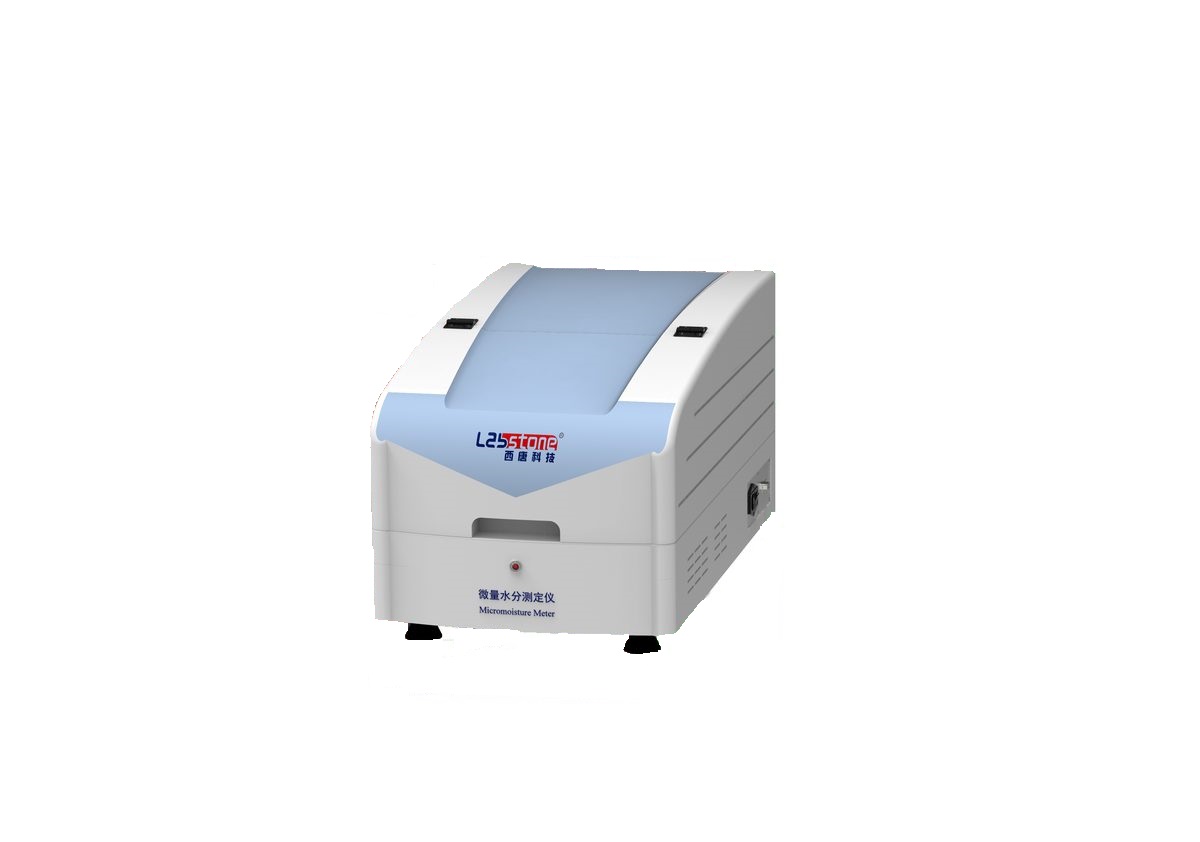
Think of it this way: if only water could be driven off from a wet sample and nothing else, that mass loss is the moisture content. It is best measured by Karl Fischer titration or a dedicated trace-moisture meter.
Formal definition
Per ChP general chapter 0832, moisture content is the amount of water in a sample, expressed as a percentage and normally determined by Karl Fischer titration. Heat-stable samples may use oven drying, but other volatiles must be excluded.
Measurement methods
1) Karl Fischer titration (coulometric or volumetric): water reacts quantitatively with iodine and sulfur dioxide, giving the highest accuracy. 2) Oven drying: weigh at 105 °C to constant weight and divide the loss by the dry mass. 3) Trace-moisture meter (coulometric): fast, online, for solvents and raw materials.
Relation to LOD
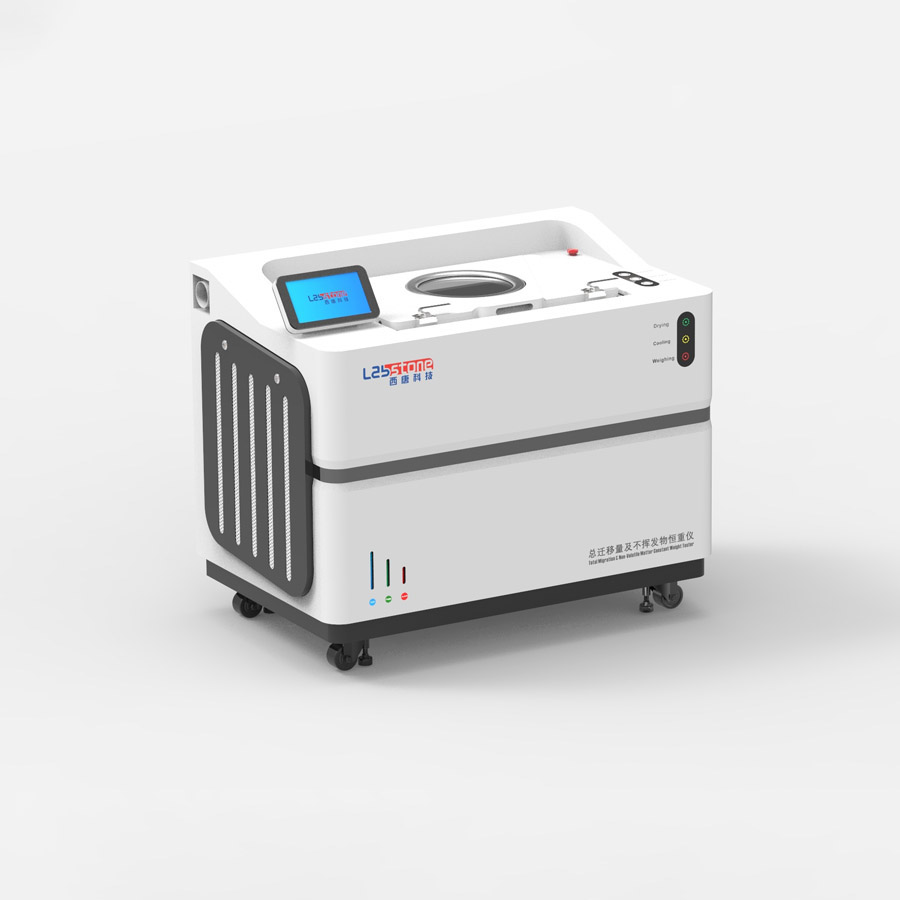
Moisture content is a subset of LOD. If the sample contains only water they are nearly identical; if ethanol or other solvents are present, LOD reads higher. A water-bath constant-weight analyzer reports LOD; a trace-moisture meter reports moisture; the two complement each other.