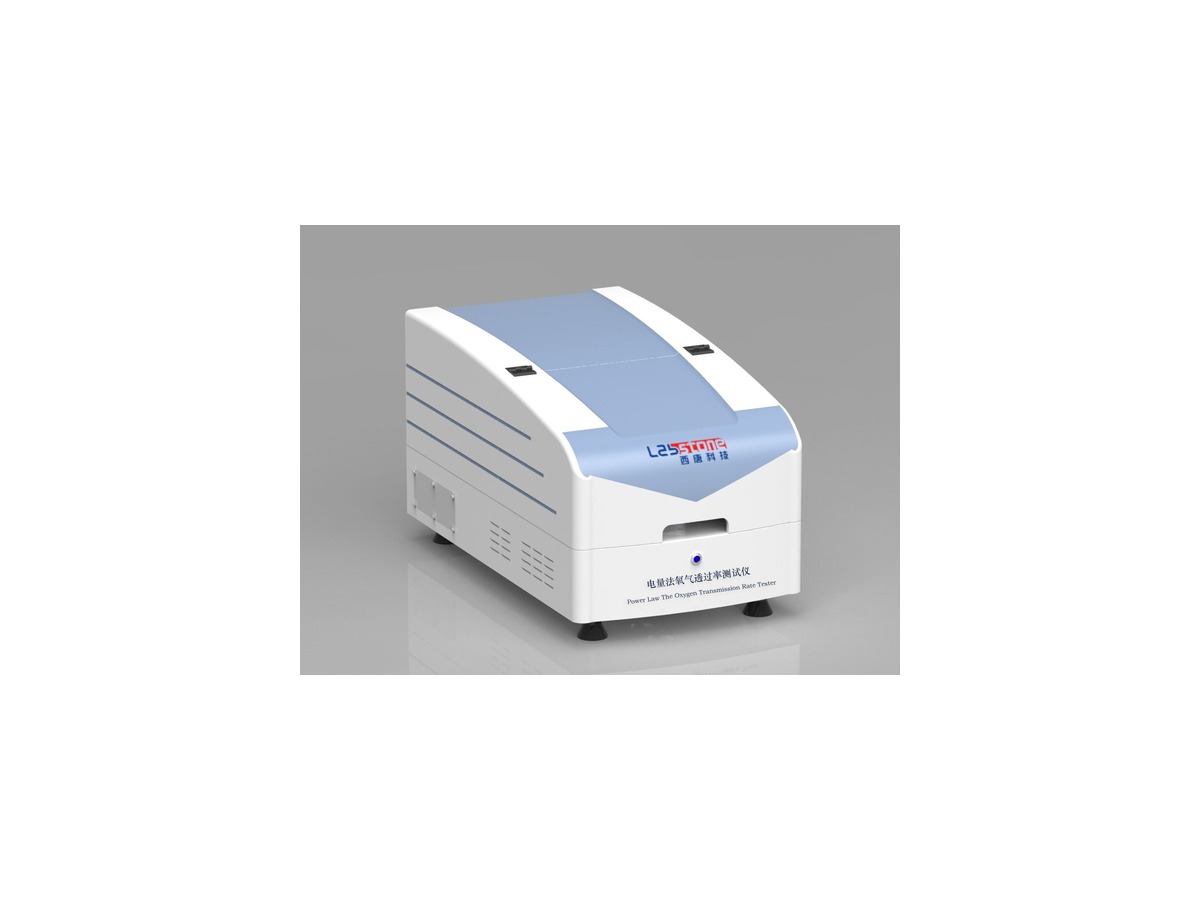
Open a bag of chips and the nitrogen flush keeps them crisp; brew coffee and you fear lost aroma and rancid oil; a blister pack fears moisture but also oxygen. Behind all these speaks one indicator — the oxygen transmission rate (OTR).
1. What OTR is
Oxygen transmission rate (OTR) is the volume of oxygen passing through a packaging material per unit time and area (typically cm³/m²·day·atm or cc/100in²·day·atm). The smaller the number, the better the barrier — the less it "leaks".
2. Why fear "leaking"
- Food: oxygen turns fats rancid, darkens colour and depletes vitamins — directly shortening shelf life.
- Pharma: oxygen accelerates active-ingredient degradation, affecting efficacy and safety.
- Electronics/metal: oxygen causes oxidative corrosion and failure of precision parts.
3. OTR and shelf-life cause-and-effect
The lower the packaging OTR, the less oxygen enters per unit time, the slower the oxidation, the longer the shelf life. High-barrier materials (aluminium foil, EVOH composites) push OTR extremely low and are the foundation of long-shelf-life products.
4. How the coulometric method measures it
The coulometric (equal-pressure) method lets pure oxygen permeate the film, carries it by nitrogen to a coulometric sensor where oxygen is consumed and produces a current proportional to concentration, directly yielding OTR. Oxygen-specific and highly sensitive, it is the common standard for pharma and long-shelf-life packaging (e.g. ASTM D3985).