Ever wonder why chip bags are always puffy, why premium coffee is nitrogen-flushed, or why blister packs feel so dry? The answer hides in four words: packaging barrier performance.
1. What barrier performance is
Packaging barrier performance is a material's ability to block gases or water vapour from passing through. Better barrier means outside oxygen and moisture struggle to enter, and inside aroma and active ingredients struggle to escape.
2. Three core indicators
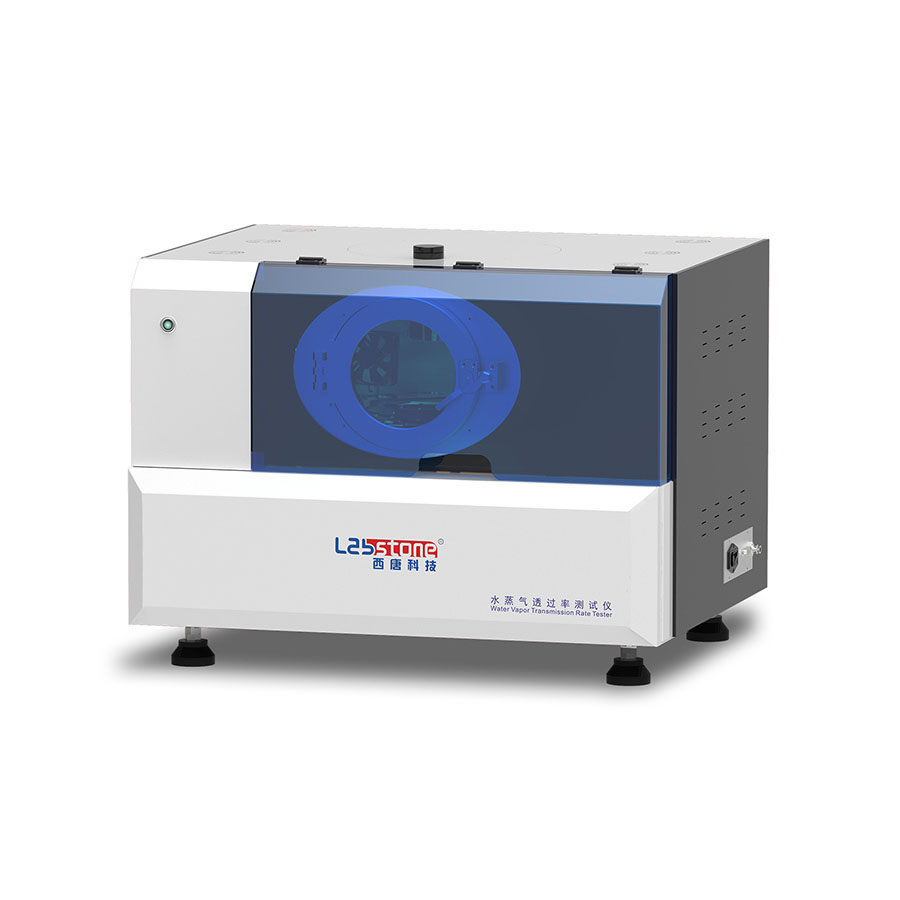
- WVTR (water vapour transmission rate): does the pack "leak" water vapour — sets moisture protection; decides if chips stay crisp and tablets stay dry.
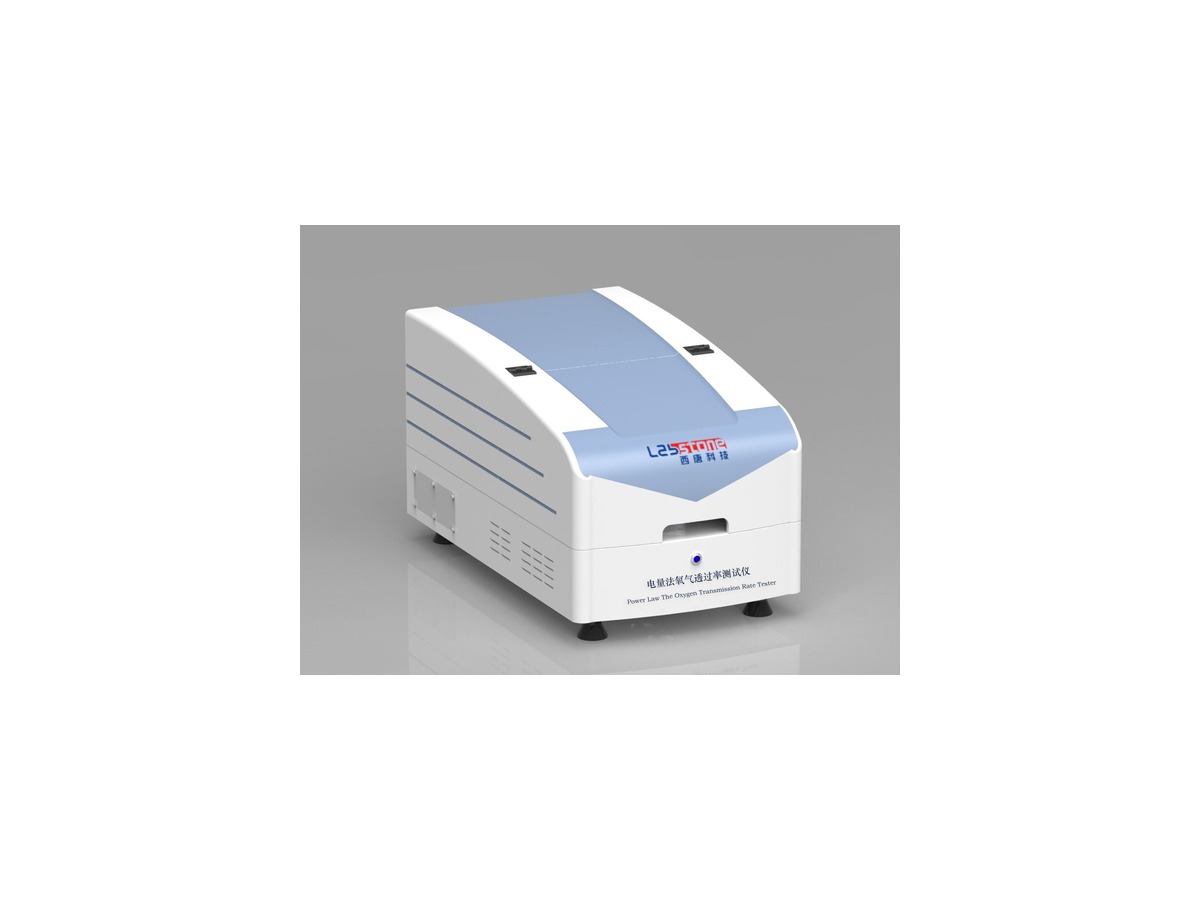
- OTR (oxygen transmission rate): does the pack "leak" oxygen — sets oxidation resistance; governs fat rancidity and drug degradation.
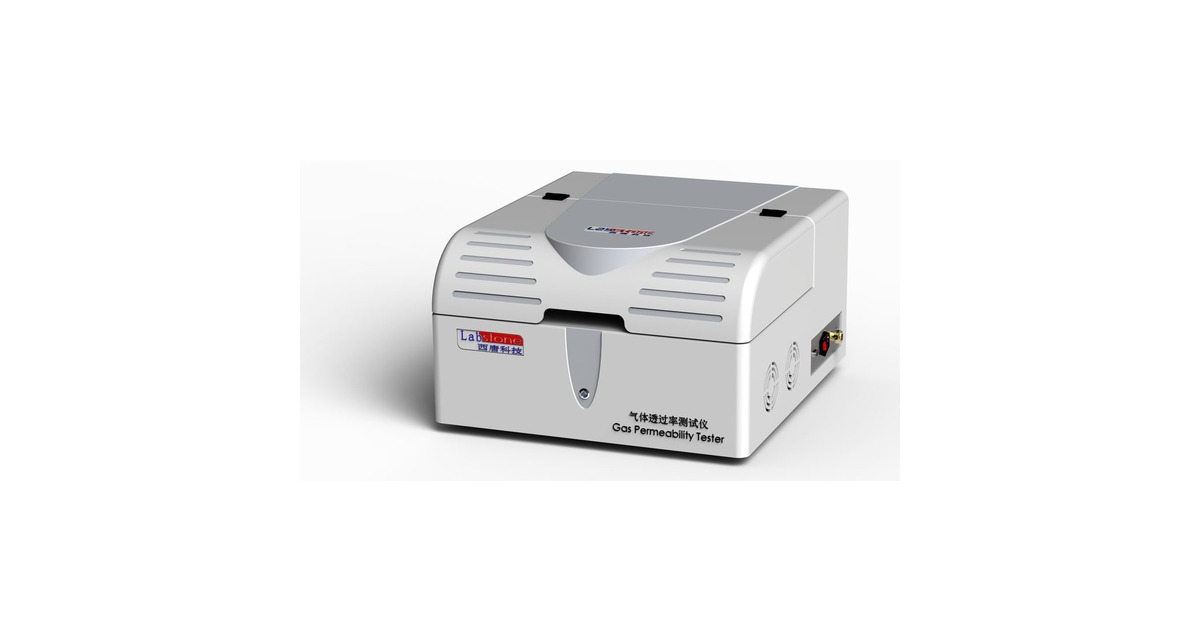
- GTR (gas transmission rate): overall transmission of gases like CO2 and nitrogen — used to assess gas-retention of modified-atmosphere packs.
3. How they decide shelf life
Lower WVTR and OTR mean less moisture and oxygen enter per unit time, so oxidation and dampening slow down and shelf life lengthens. Nitrogen-flushing a chip bag essentially creates an almost oxygen-free interior that, paired with a low-OTR pack, minimises spoilage.
4. How to test and choose instruments
All three rely on dedicated barrier testers: WVTR has cup/electrolytic/infrared methods, OTR commonly uses the coulometric method, and GTR uses the differential-pressure method covering many gases. LabStone offers the full WVTR, OTR and GTR barrier range, combinable with constant-weight systems into a one-stop "physical-chemical + barrier" testing solution.