Volatile matter is the gaseous stuff that escapes when heated. You heat the sample in the absence of air (to prevent combustion) at high temperature; the gases, tar and vapor that escape, as a percentage of the original sample, are the volatile matter.
Think of heating a piece of coal without letting it catch fire: the smoke and oil vapor that come off are the volatile matter; the hard residue left is fixed carbon plus ash.
Determination (coal example)
Weigh sample, place in a lidded crucible, heat in a 900 °C plus or minus 10 °C muffle furnace for 7 min (air excluded), cool and weigh, VM(%) = (m0 - m1)/m0 x 100% minus moisture correction. Note it differs from LOD: VM is anaerobic pyrolysis, LOD is atmospheric drying.
Relation to non-volatile matter
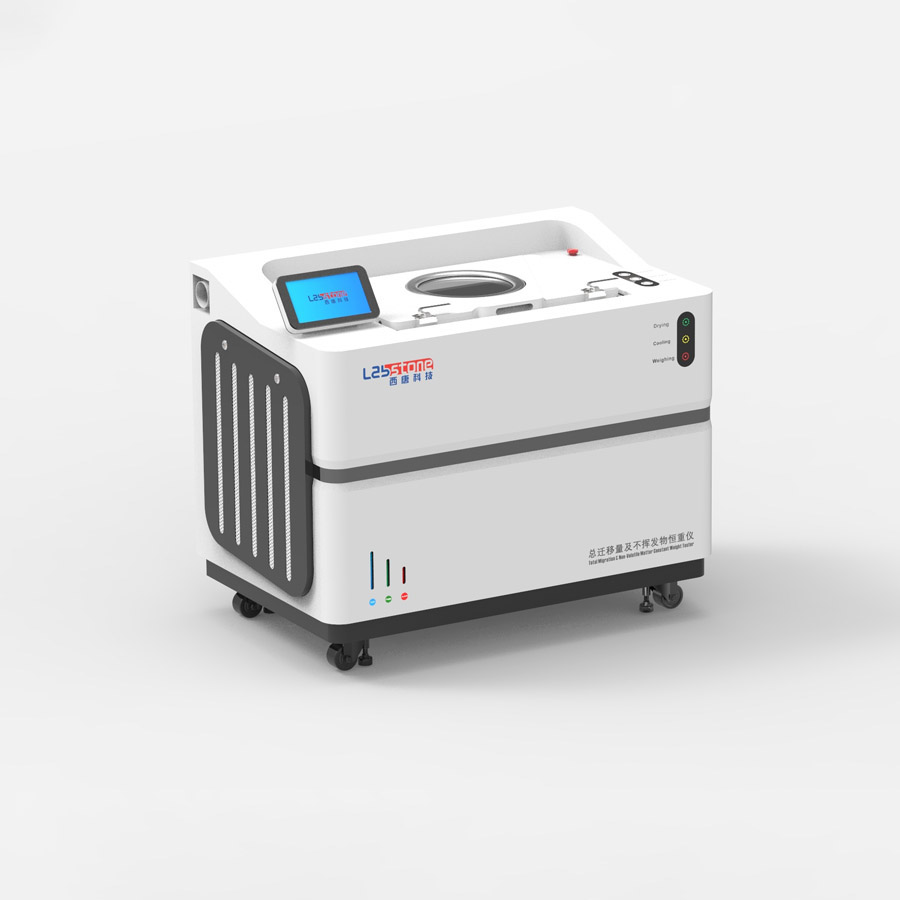
Volatile matter plus non-volatile matter (fixed carbon plus ash) is approximately 100% on a dry basis. VM looks at what escapes; non-volatile matter looks at what remains, they are complementary. The ERT-C measures the non-volatile side.