A potato-chip bag is puffy, blister packs fear moisture, electronics need dryness — behind all of them works the water vapour transmission rate (WVTR). There are three mainstream WVTR methods; picking the wrong one can distort data or waste time.
1. One sentence per method
- Cup method (gravimetric): the sample seals a cup holding desiccant/water; periodic weighing shows mass change — classic, cheap, slow.
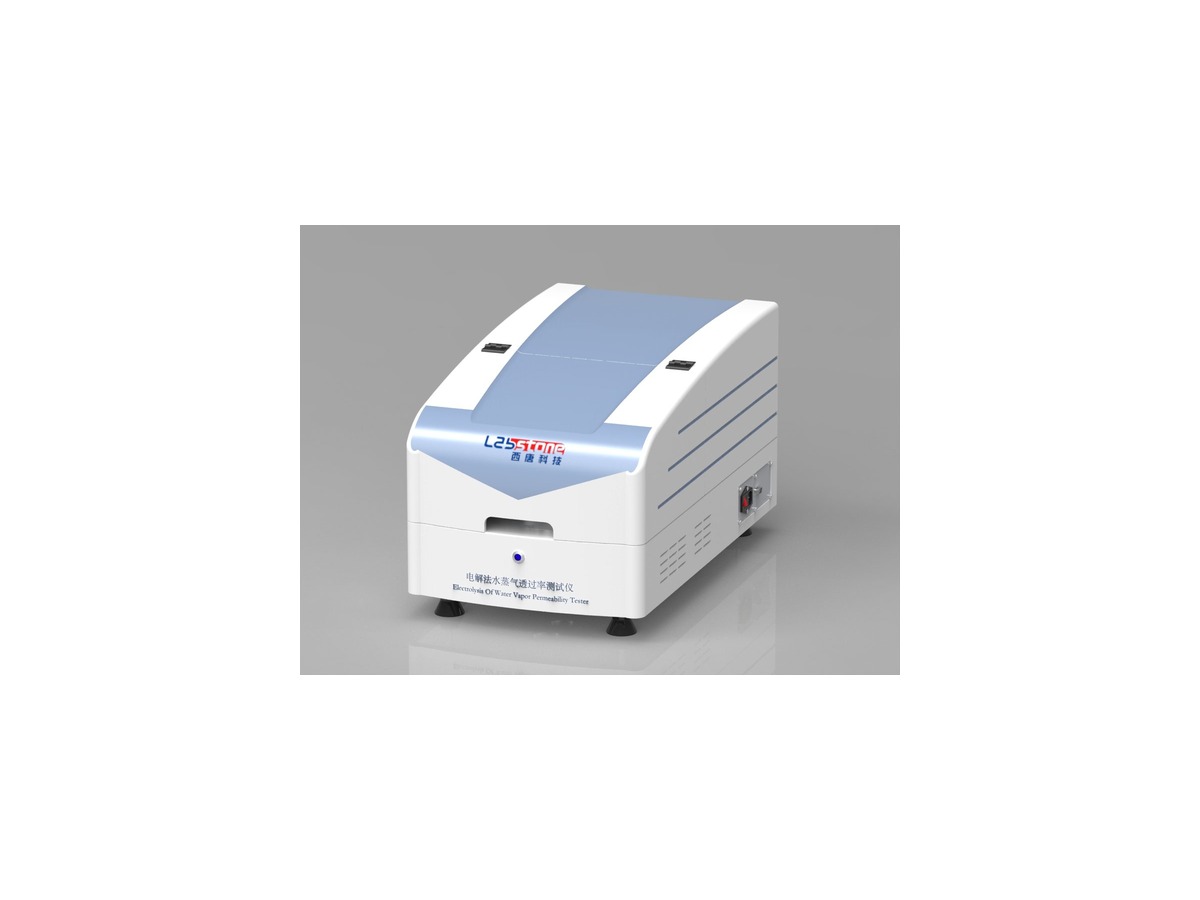
- Electrolytic: the permeated moisture is carried by nitrogen to an electrolytic cell and consumed; the charge back-calculates transmission — fast, sensitive, needs carrier gas.
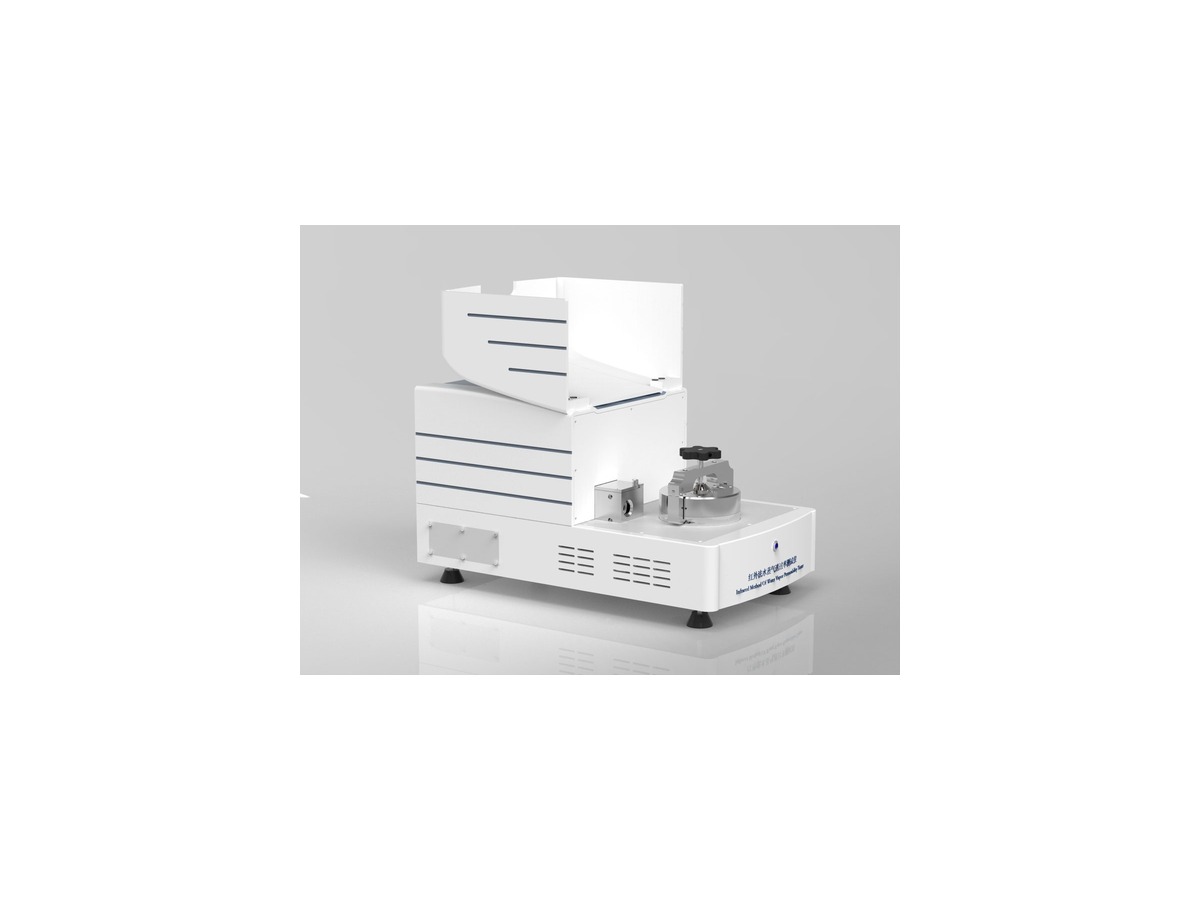
- Infrared: the permeated moisture is measured directly by an IR sensor for concentration — fast, wide range, no carrier-gas consumable.
2. Comparison table
| Method | Principle | Speed | Best for |
|---|---|---|---|
| Cup | weighing | slow (days) | routine films, teaching, low-cost screening |
| Electrolytic | electrolysis charge | faster | medium-high barrier, continuous monitoring |
| Infrared | IR sensing | fast | high barrier, wide range, no carrier gas |
3. How to choose
With a limited budget, ordinary samples and tolerance for a multi-day cycle, the cup method is most stable; to compare many high-barrier films quickly, infrared is most efficient and needs no carrier-gas consumable; electrolytic sits in between, suited to scenarios needing continuous, sensitive readings.
4. LabStone instruments
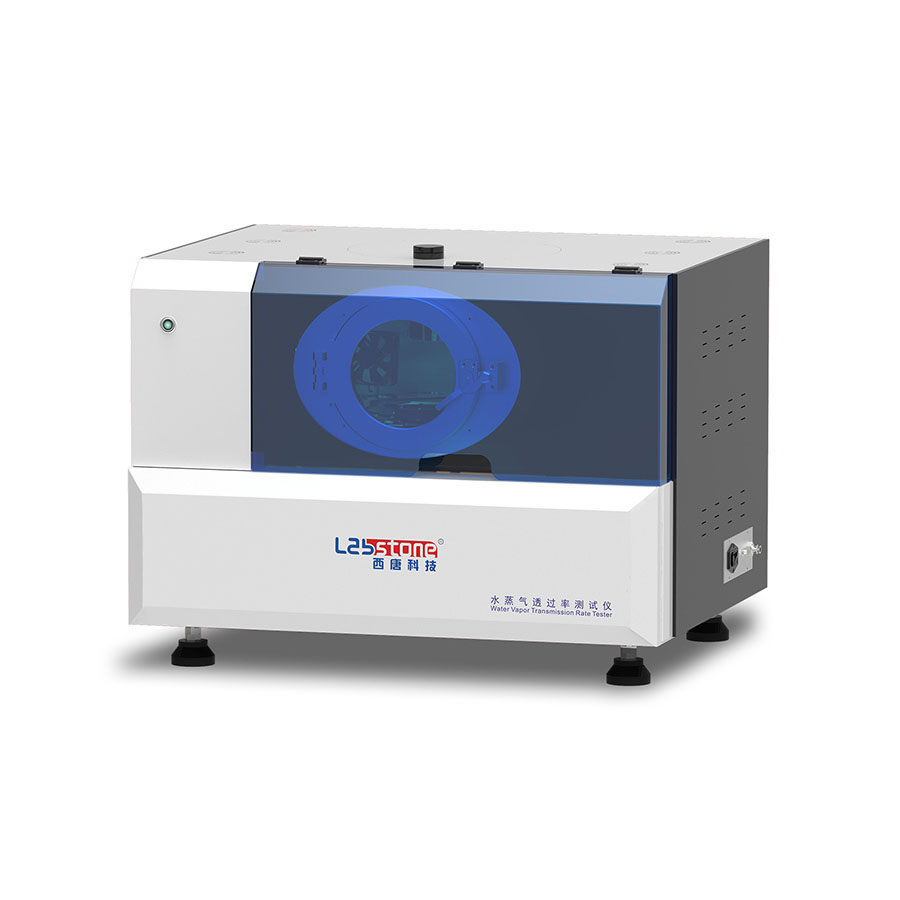
LabStone offers WVTR cup, electrolytic and infrared series covering everything from teaching screening to high-barrier R&D, and pairs with the GTR/OTR series for a complete packaging-barrier solution.