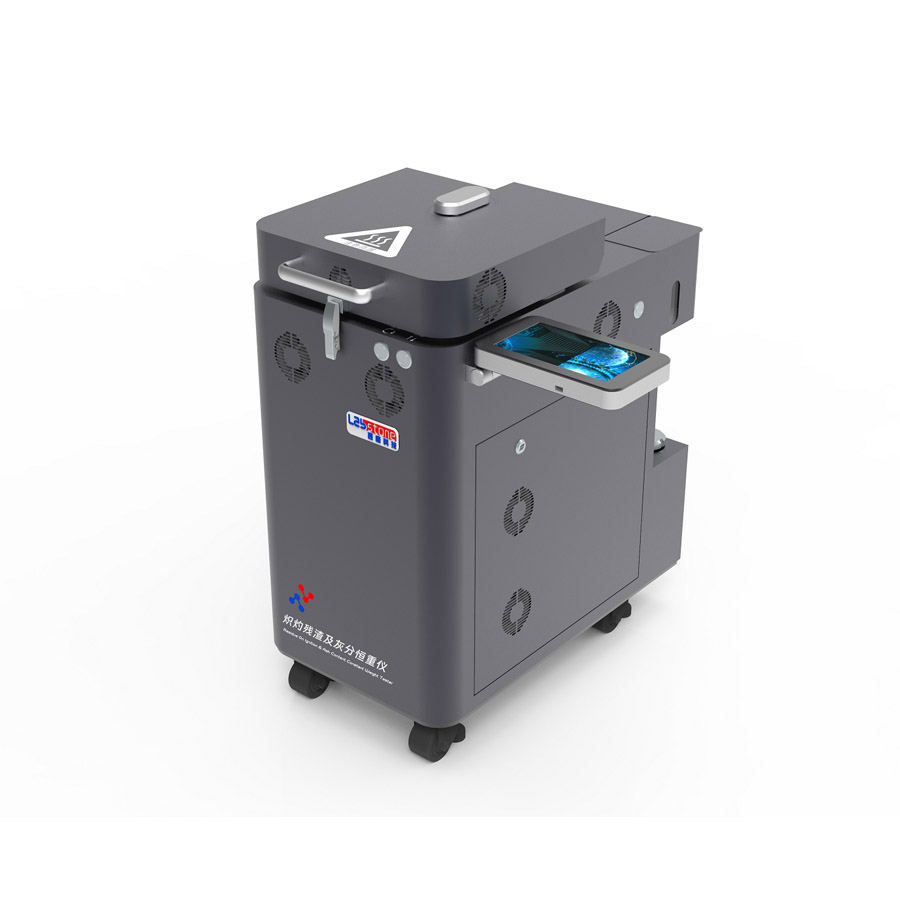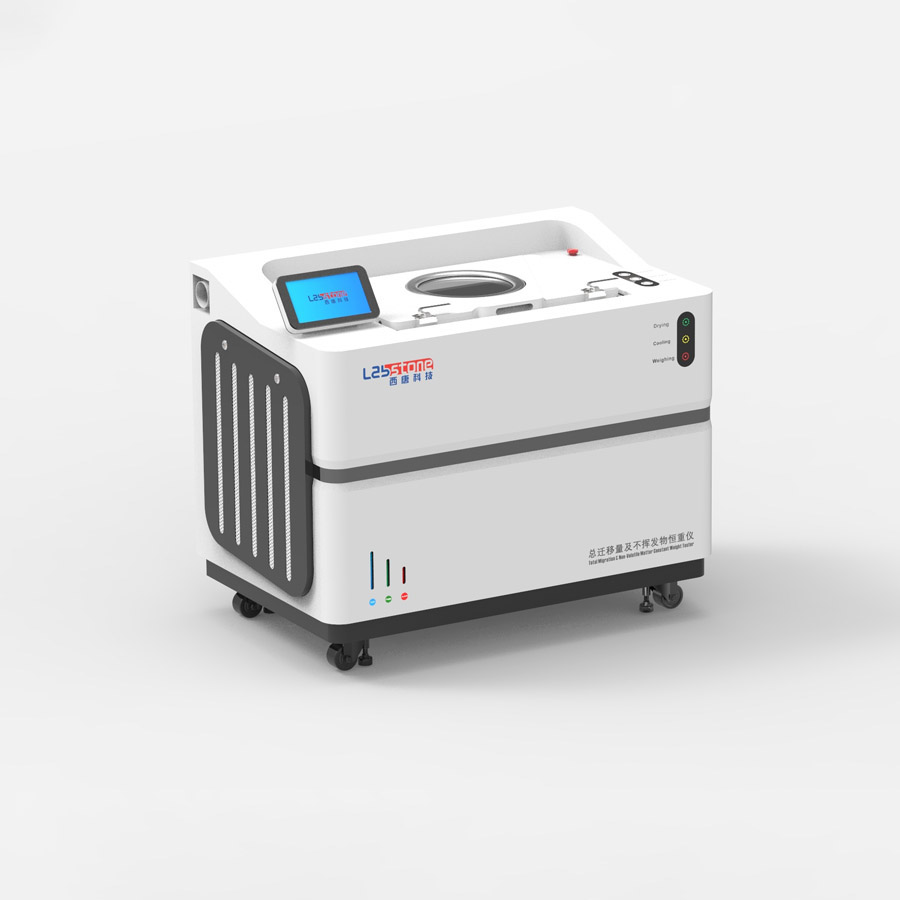
A crucible is a laboratory vessel for high-temperature ignition, fusion and digestion. It is bowl-shaped with a lip, and can hold 1000 °C or more without deforming, making it the standard container for muffle-furnace experiments.
In everyday terms, a crucible is a laboratory 'heat-proof bowl': a non-stick pan tolerates about 200 °C, but a crucible withstands 1200–1700 °C ignition and fusion.
Material and heat resistance
Porcelain crucibles resist about 1200 °C and are the most general-purpose, suited to ash and residue-on-ignition. Quartz crucibles resist 1100–1300 °C with low thermal expansion and strong acid/alkali resistance (though they dissolve in HF and strong alkali). Corundum (Al₂O₃) crucibles reach 1700 °C with the highest hardness, ideal for high-temperature fusion.
Difference from an evaporating dish
An evaporating dish is shallow with lower heat resistance (porcelain, about 800 °C); it is only for water-bath evaporation of crystalline samples such as total migration, moisture and residue, and must not go into a muffle furnace. A crucible resists higher temperatures and has thicker walls, designed for ignition. Do not use them interchangeably.