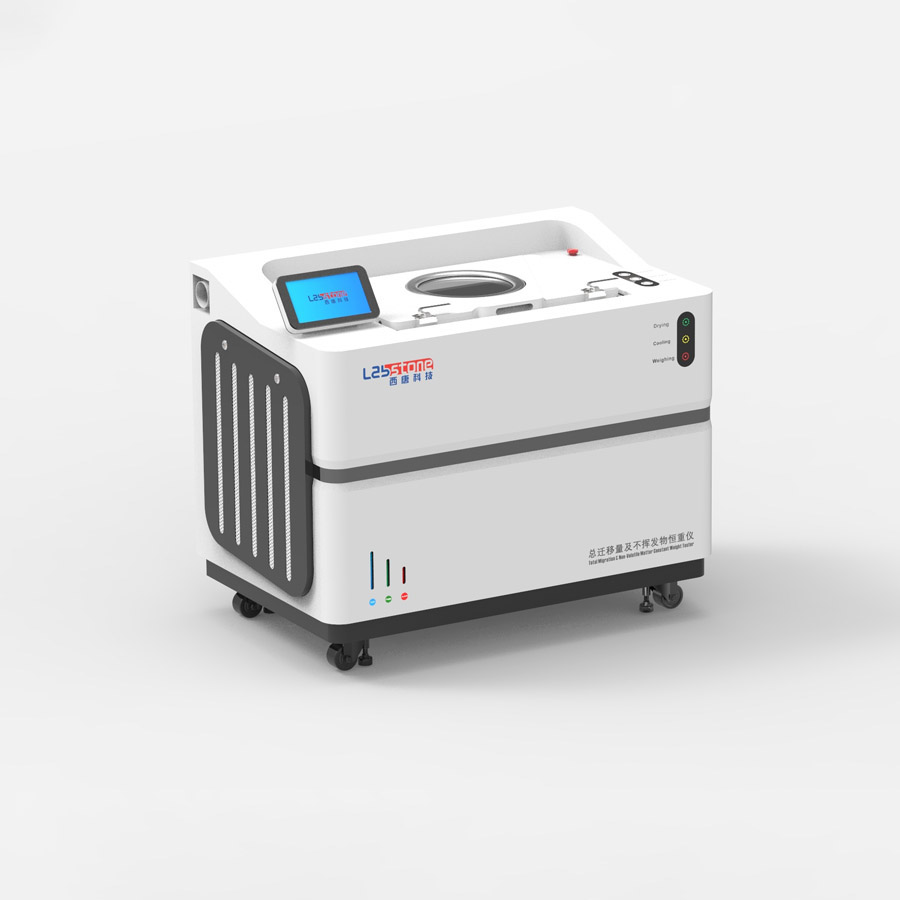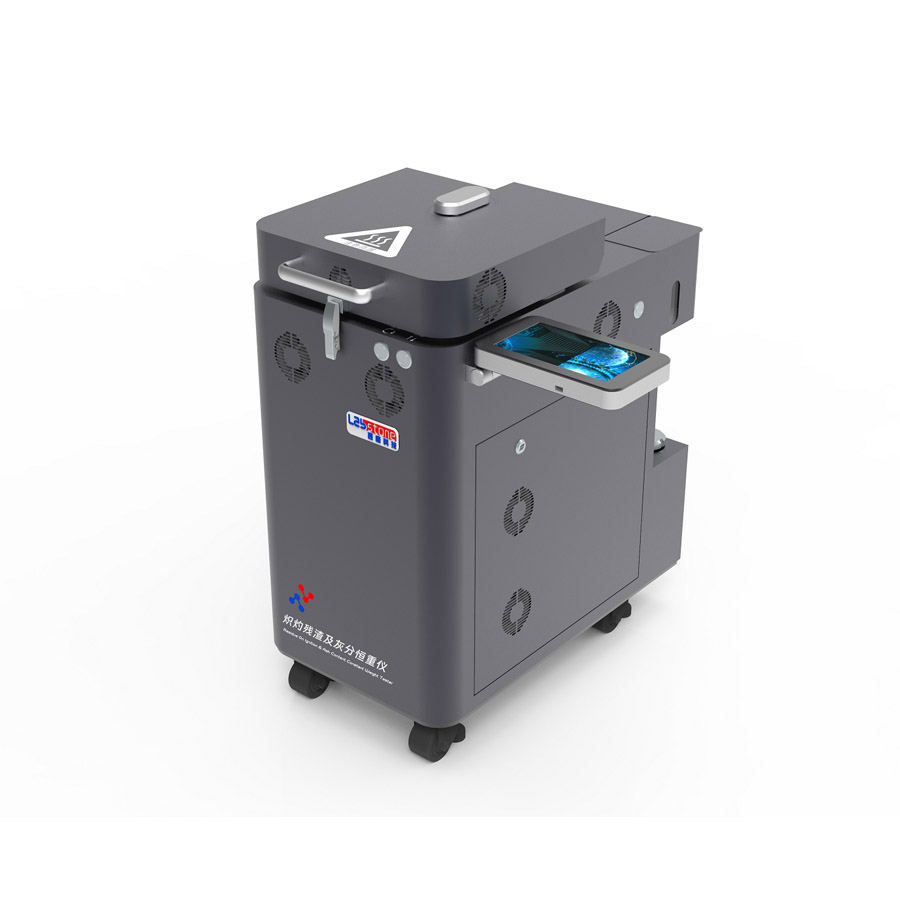
Constant weight is the state where the mass difference between two successive weighings of a sample stays within the allowed limit, 0.3 mg in most pharmacopoeias. It marks the endpoint of drying, ignition or evaporation, not a fixed time but a statement that the mass has stopped changing.
A wet towel analogy: keep drying and weighing it until two readings agree closely enough to ignore. The pharmacopoeia sets that 'close enough' at 0.3 mg.
Decision rule
Per the pharmacopoeia, constant weight is declared when two consecutive weighings differ by 0.3 mg or less; re-weigh at intervals of at least 1 hour after drying (cool 1 h before weighing). For ignited (ash) samples the interval is 30 min. If the difference exceeds 0.3 mg, dry/ignite again and re-weigh.
Why 0.3 mg
0.3 mg is a sensible margin over the two-weighing error of a 0.1 mg analytical balance, balancing sensitivity against time. It makes LOD, ash and total-migration results comparable across laboratories, and is the core design specification of a constant-weight analyzer.