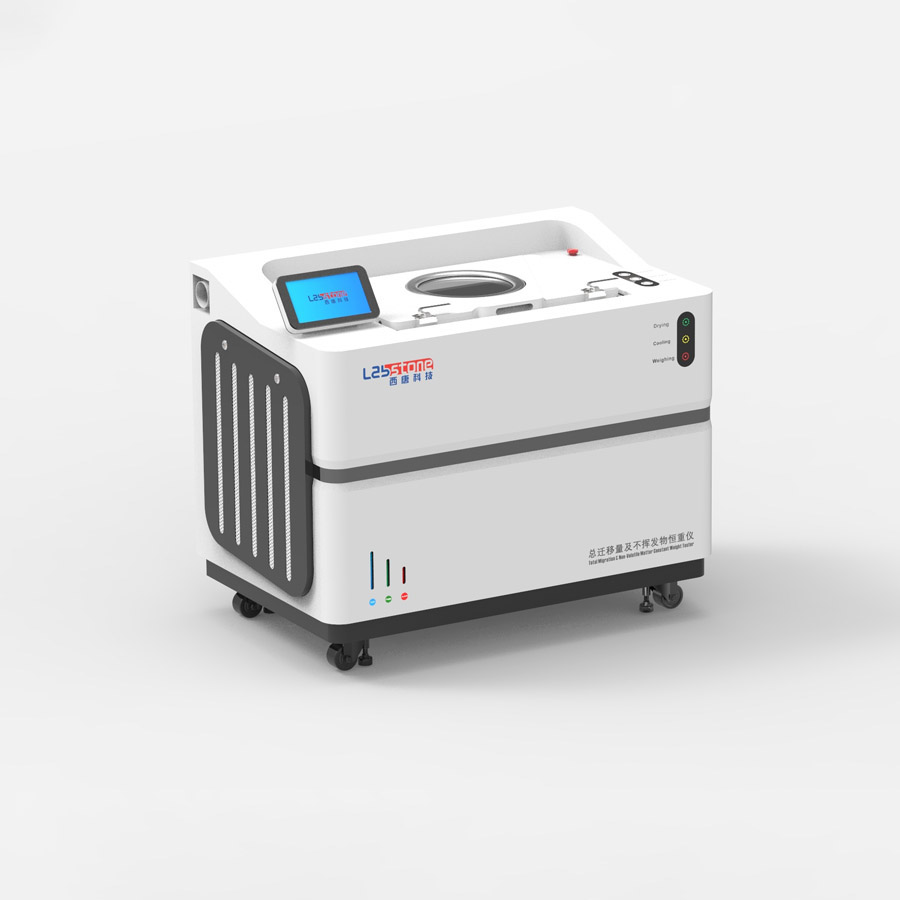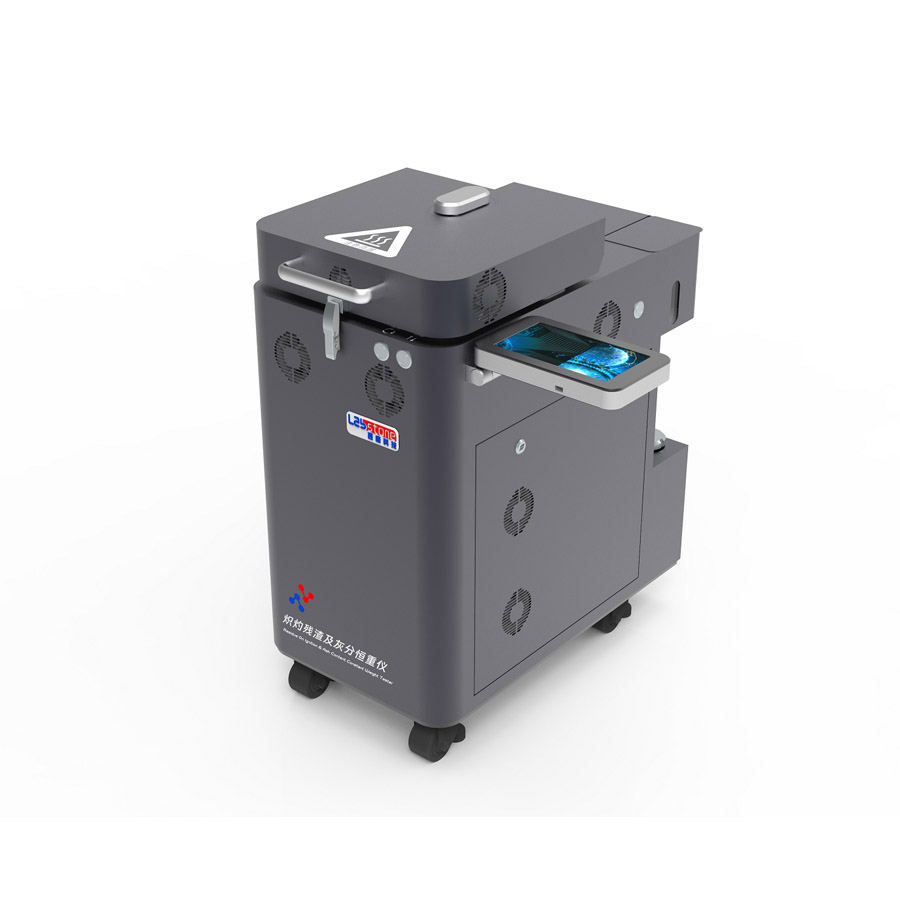
0.3 mg constant weight is the quantitative standard for the constant-weight endpoint: after drying at 105 °C or ignition at 500–1050 °C, a sample whose two successive weighings differ by 0.3 mg or less is considered to have reached constant weight. The ChP uses this value as the universal criterion for LOD, ash and total-migration assays.
In everyday terms, two readings that agree to within 0.3 mg are 'indistinguishable', and all removable volatiles have left the sample.
Operating detail
1) Weigh the sample, dry to initial mass, cool 1 h in a desiccator. 2) Dry for a further 30 min, cool 1 h, weigh again. 3) If the two values differ by 0.3 mg or less the sample is at constant weight; otherwise dry/ignite a further 30 min and re-weigh. Ignited samples are fired for 15–30 min each round, cooled 1 h before weighing.
Why a 0.1 mg balance
The 0.3 mg criterion is built on a 0.1 mg analytical balance. Its single-weighing uncertainty is about 0.1 mg, so the uncertainty of the difference between two readings is roughly 0.14 mg; 0.3 mg is about twice that, a comfortable margin that is reliable without excessive time.