Open almost any test report for food-contact materials, pharmaceutical packaging or environmental monitoring and the term "constant weight" is bound to appear. Yet many operators and buyers read it simply as "dried until no water is left" — a common misunderstanding. Constant weight is not only about moisture; it is a scientific end-point with a strict criterion.
1. The strict definition
Constant weight means: after a sample is dried or ignited at a specified temperature, the difference between two consecutive weighings does not exceed a specified limit (typically 0.3 mg or 0.5 mg). In other words, it is not "no water left" but "mass no longer changes measurably."
2. Why we look at the difference between two weighings
Moisture, volatiles or combustibles in a sample do not vanish instantly. Only by repeating "dry — cool — weigh" can you watch the mass change trend toward zero. The criterion watches the difference between adjacent weighings, not one absolute weight.
- Dry the sample nearly to constant mass
- Cool it in a desiccator to room temperature
- Weigh precisely and record m1
- Re-dry, cool and weigh again to get m2
- If |m1 - m2| <= limit (0.3 / 0.5 mg), constant weight is reached; otherwise continue
3. Where the common limits come from
Different standards set different limits: the Chinese Pharmacopoeia uses 0.3 mg for ignition residue; GB/T water total salt commonly uses 0.5 mg; loss on ignition of solid waste has its own rules. A smaller limit means more drying-weighing cycles and longer time.
4. Manual weighing vs automated constant weight
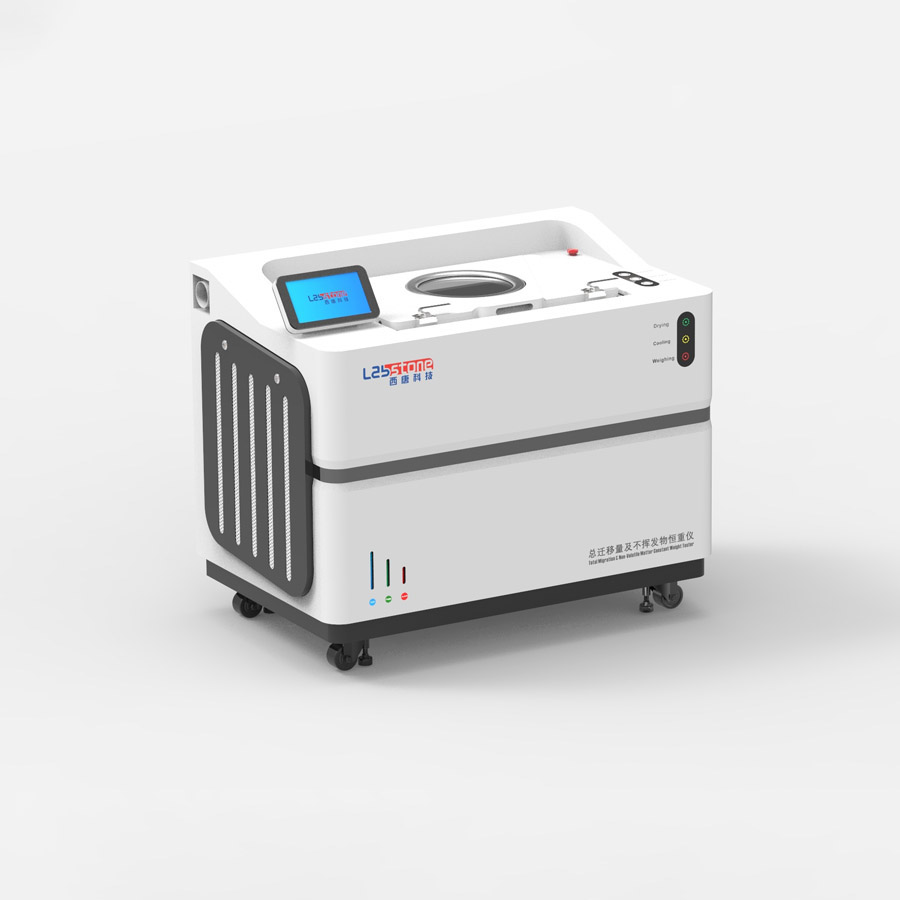
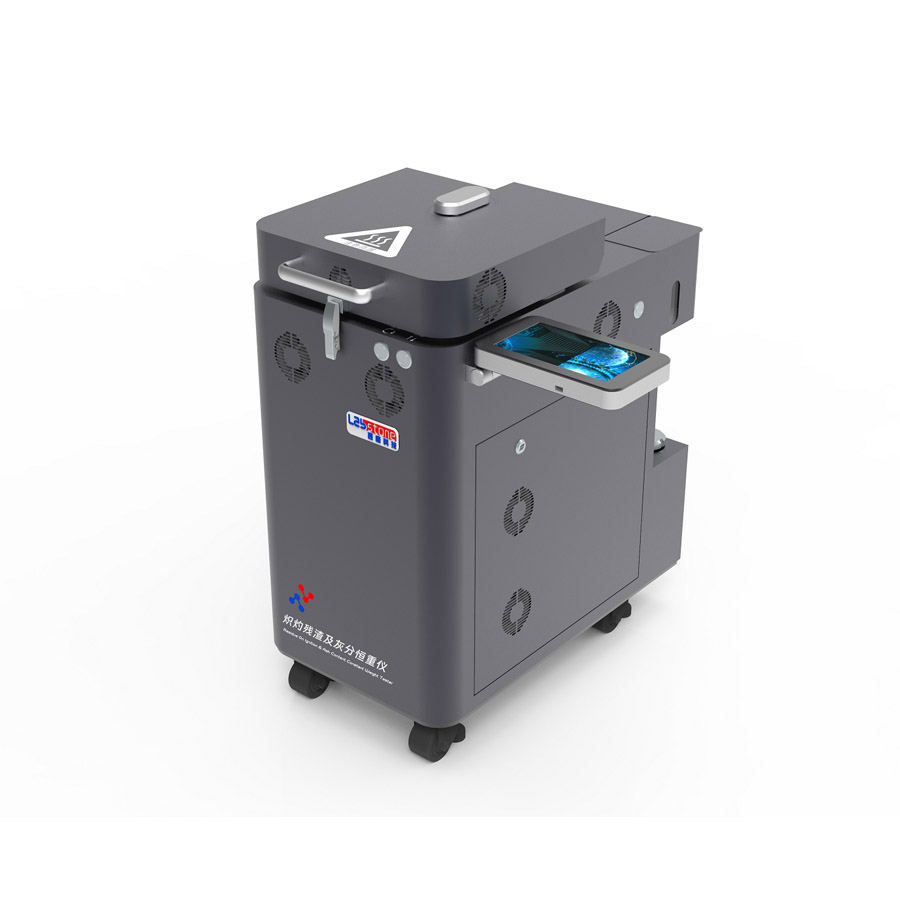
The traditional method relies entirely on manual repetition; a single sample can take hours and long guarding shifts introduce fatigue and human error. LabStone automated constant-weight systems automate the whole "dry — cool — weigh — decide" loop, requiring only sample loading, freeing staff from repetition while locking judgement consistency at the 0.3 mg criterion.