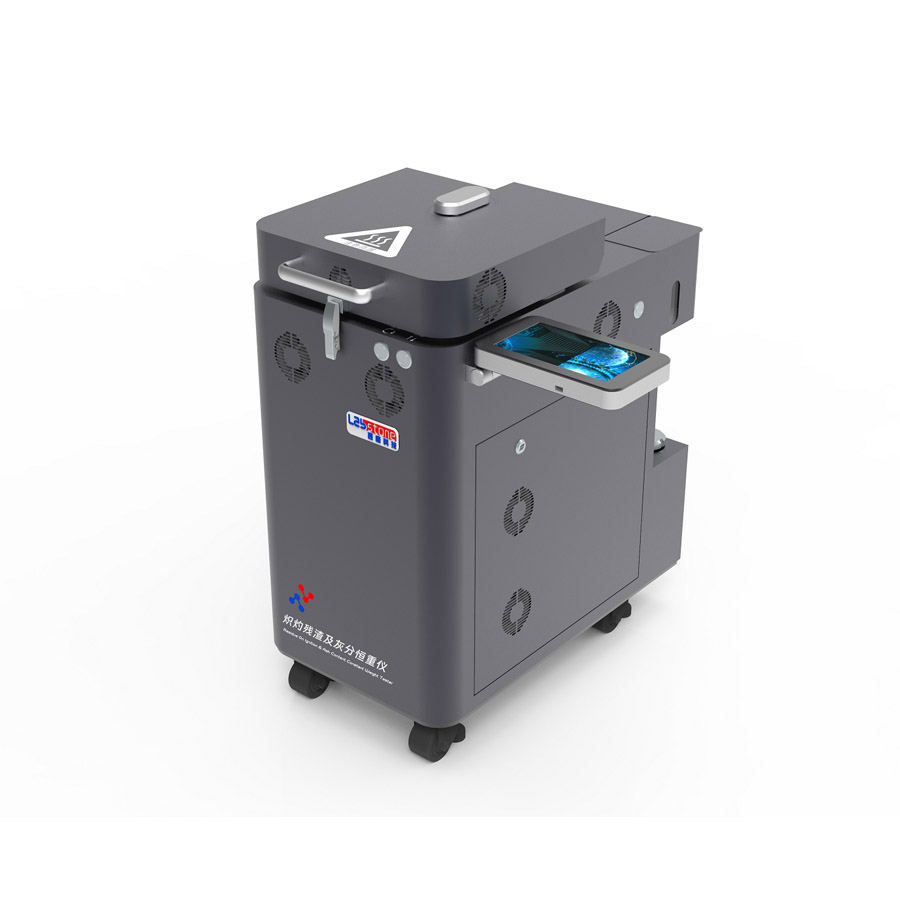
Residue on Ignition is the inorganic ash that will not burn away after a sample is heated to very high temperature. You char the sample first, then ignite it in a 700–800 °C muffle furnace until the mass stops changing; that leftover mass is the residue on ignition.
Think of burning wood to charcoal and then heating it more: what remains as a little white ash is the residue on ignition, the part of the sample that simply will not burn.
Formal definition
Per ChP general chapter 0841, residue on ignition is the weight of inorganic substance remaining after the sample is charred and ignited to constant weight at 700–800 °C, expressed as a percentage. Sulfuric acid is often added so certain metals become stable sulfates.
Test procedure
1) Weigh and tare the crucible to constant weight. 2) Char the sample to prevent spattering. 3) Ignite in a muffle furnace at 700–800 °C until fully ashed. 4) If needed, moisten carbon with sulfuric acid and continue igniting. 5) Cool, reach constant weight, and calculate the percentage.
Relation to ash
Residue on Ignition and total or sulfated ash share the same principle but differ in conditions: ROI is usually ignited after adding sulfuric acid to check inorganic impurities, while ash is determined by direct high-temperature ashing. The values are often close and the methods complement each other.