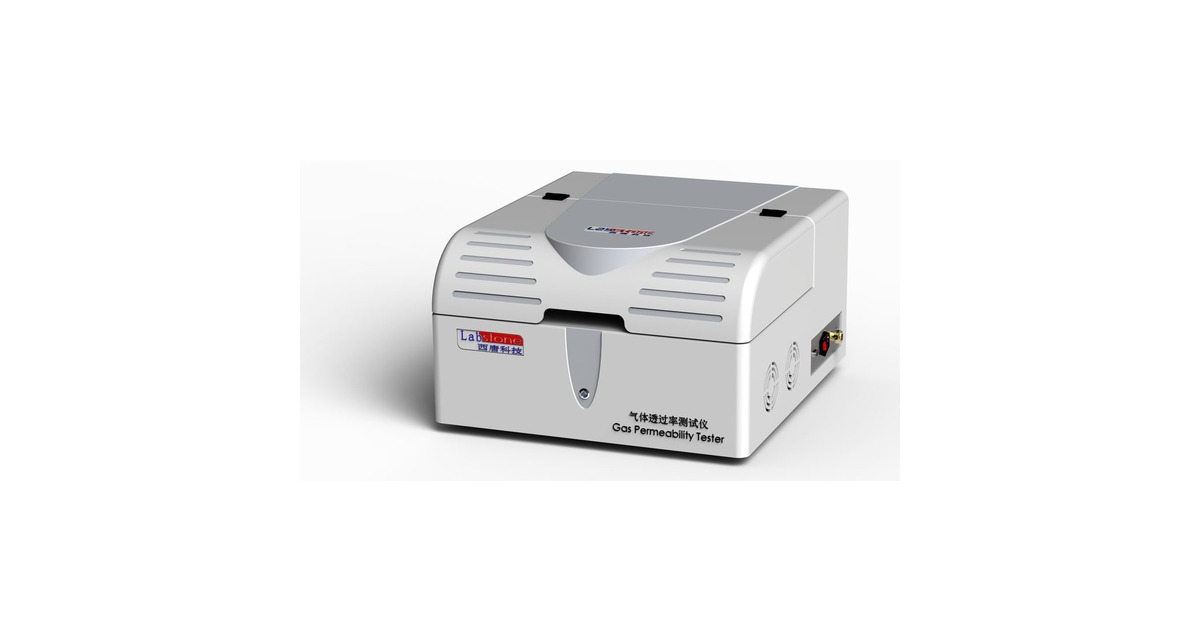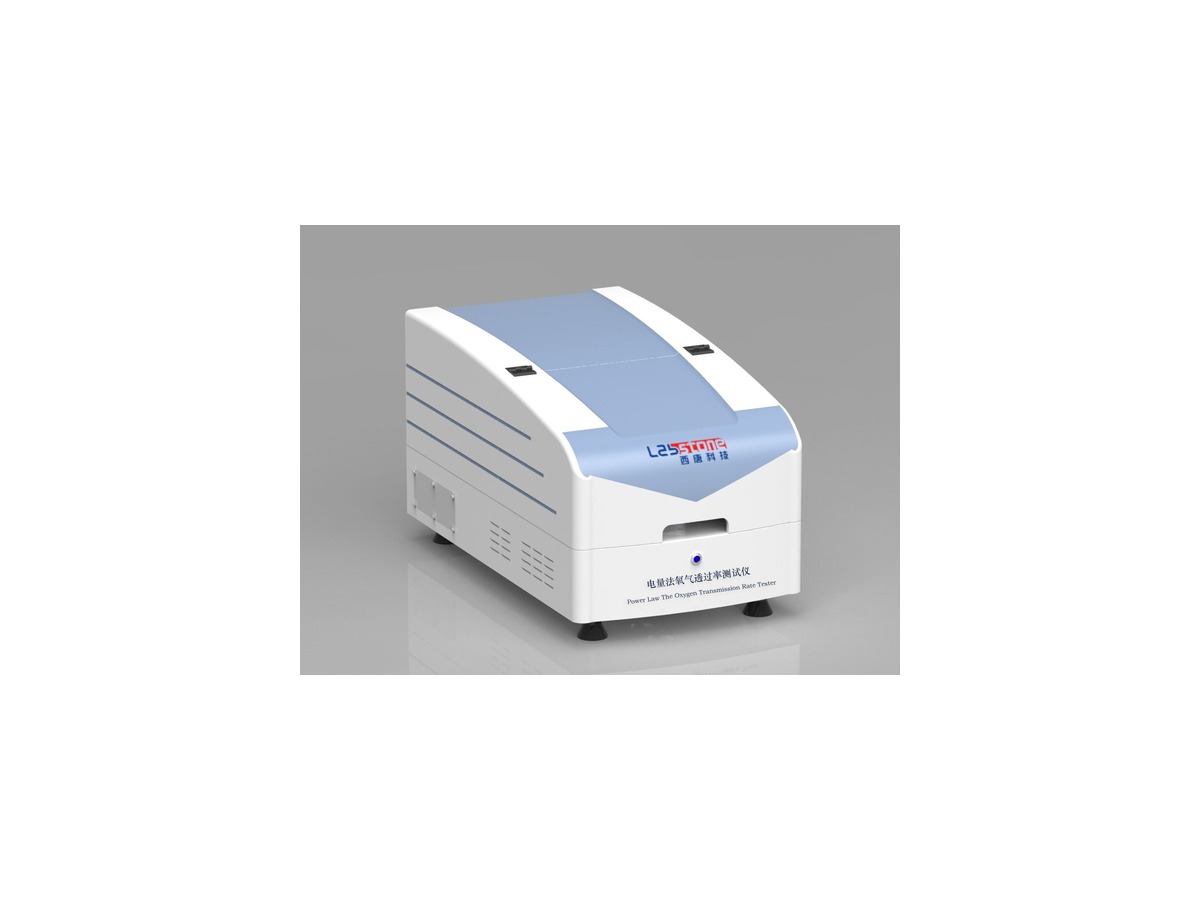
In food, pharmaceuticals, aerospace and biodegradable materials, a material's gas-barrier performance directly determines shelf life, safety in use and long-term stability. Differential-pressure and equal-pressure GTR instruments are the two mainstream device types, and many are confused by their differences — sometimes choosing the wrong method and skewing the data.
Why two methods exist
The two methods grew out of different industries' testing needs and standardisation paths. The differential-pressure method took shape first, based on vacuum pressure measurement, and matured into GB/T 1038, ISO 15105-1 and ASTM D1434, spreading through Asian and European quality institutes and universities. Later, the equal-pressure (coulometric) method was developed specifically for oxygen, with standards such as ASTM D3985, and was widely adopted in North America and closely tied trade regions. Neither replaces the other — each is optimised for different scenarios, gases and material characteristics.
Working principles compared
Differential-pressure method. The sample divides the chamber into two independent spaces. Both are evacuated, then the low-pressure chamber is closed and test gas is charged into the high-pressure chamber to a set pressure, forming a stable 0.1 MPa difference across the sample. Driven by the concentration gradient, gas permeates from the high side toward the vacuum low side; a high-precision vacuum gauge tracks the low-side pressure rise in real time, and the instrument computes the transmission rate from area and temperature — while also yielding solubility, diffusion and permeability coefficients.
Equal-pressure (coulometric) method. Both chambers stay at equal atmospheric pressure with no pressure difference. High-purity oxygen (or an oxygen-containing mixture) flows on one side and high-purity nitrogen carrier gas on the other; oxygen permeating through the film is carried by the nitrogen to a coulometric sensor, which produces a current proportional to oxygen concentration, yielding the oxygen transmission rate. For a finished container, nitrogen is passed into the container while oxygen flows outside, completing whole-package oxygen testing.
Materials, precision and speed
Suitable materials. The differential-pressure method is extremely versatile: plastic films, composite films, high-barrier sheets, metal foil, rubber and tyre airtightness, permeation membranes, biodegradable films, aerospace airbag materials, paper and board, lacquer films, fibreglass cloth and cosmetic-tube sheets — and it is especially reliable for high-barrier materials, with custom fixtures for sheet and paste coatings. The equal-pressure method suits oxygen-centric scenarios that must closely simulate normal-pressure use, such as fresh-food packaging, oxygen-flushed packaging, sterile medical packaging, and high-flux textiles and special breathable films.
Precision. The differential-pressure method has mature theory and runs in a sealed vacuum system with very low impurity interference, giving excellent repeatability and stability for multi-gas and high-barrier testing. The equal-pressure method's precision edge is oxygen-specific: the coulometric sensor recognises oxygen strongly and is very accurate on normal-barrier films, but for high-barrier materials the trace oxygen is hard to carry fully to the sensor, so results can fluctuate.
Speed. The differential-pressure method enters the real test soon after mounting, with a short per-sample cycle ideal for high-throughput screening. The equal-pressure method needs a long carrier-gas purge and baseline stabilisation first, so a single sample usually takes several times longer.
Measurable gases and pharmacopoeia preference
Measurable gases. The differential-pressure method is gas-agnostic: oxygen, carbon dioxide, nitrogen, air, hydrogen, methane and other common inorganic gases can be tested directly, with one instrument covering multi-gas projects. A conventional coulometric instrument's core sensor is oxygen-specific and can only test oxygen; other gases require extra dedicated sensors and gas paths at high cost.
Pharmacopoeia preference. In Chinese pharmaceutical-packaging standards and pharmacopoeia norms, the differential-pressure method is the preferred mainstream method. Pharmaceutical packaging spans complex materials needing multi-material, multi-gas testing, where the differential-pressure method's versatility and its GB/T 1038 alignment with domestic pharmacopoeia practice make it directly usable for registration and routine QC.
Choosing by industry
In food and pharmaceutical packaging, if the core need is fast multi-gas barrier QC on large film batches, choose the differential-pressure method; for premium fresh-food oxygen-flushed packaging requiring oxygen data that closely simulates normal-pressure conditions, add the equal-pressure method for dedicated verification. Aerospace, biodegradable materials and universities usually need to test oxygen, nitrogen and carbon dioxide together and obtain diffusion and solubility coefficients, making the differential-pressure method almost the only choice; exporters targeting North America whose customers require ASTM D3985 oxygen reports can choose an equal-pressure instrument to match local standards.
In short: laboratories testing multiple gases for research or pharmacopoeia work should prefer the differential-pressure method; oxygen-specific work that simulates a normal-pressure shelf environment fits the equal-pressure method.