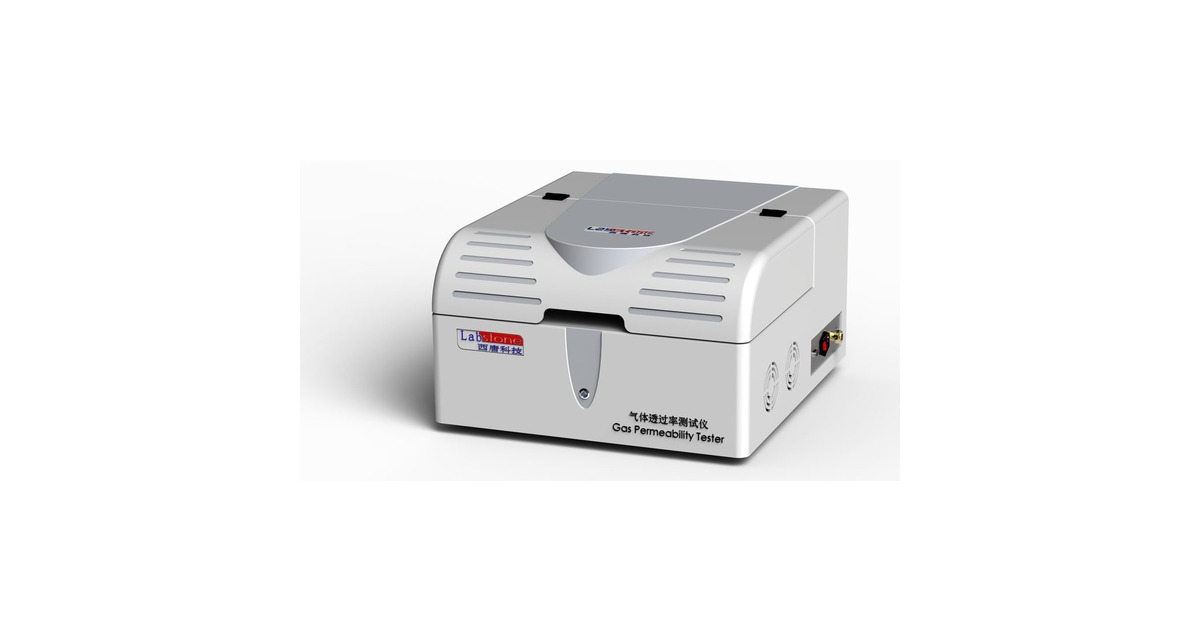
In laboratories that test high-barrier films, pharmaceutical packaging and new-energy carbon paper, gas transmission rate (GTR) testing is one of the most time-consuming jobs. An ordinary low-barrier film yields a result within hours, but high-barrier materials such as EVOH, PVDC and aluminium–plastic composites can take over ten to dozens of hours for a single test.
High-barrier GTR testing used to be small-batch R&D or spot-check work, so slowness did not matter. That has changed: pharmaceutical packaging registration batches have grown from a few to over a dozen a year, each needing a full GTR report; R&D cycles for new-energy proton-exchange membranes and carbon paper have shrunk from half a year to one or two months; and third-party laboratories' report turnaround has tightened from 7 days to 3. When GTR testing stalls, samples pile up in front and orders queue behind — efficiency is now a hard requirement.
Which levers determine efficiency
High-barrier testing is slow not only because the material is highly resistant, but because of core links in the whole chain from power-on to report. Optimising each one directly compresses the cycle.
Vacuum speed. Ordinary instruments have low-power pumps and redundant tubing, so evacuation takes tens of minutes to over an hour. A new-generation high-flow high-speed vacuum system with short-path tubing reaches high vacuum in minutes, cutting pre-test evacuation time by more than 80 %.
Sealing. With a poorly designed seal, every sample mount needs repeated pressure adjustment, and a slight edge leak is only discovered mid-test, forcing a re-run. A quick-mount self-sealing structure forms a stable zero-leak seal immediately after mounting, avoiding re-work.
Pressure control. Ordinary control valves have low precision and overshoot easily during gas charging, needing a long stabilisation wait; in high-barrier testing even a small pressure fluctuation drifts the data. A precision servo valve group controls the feed rate precisely and stabilises to the set point in seconds.
Temperature stability. Temperature is the core factor for high-barrier GTR accuracy — a 0.5 °C swing visibly drifts the vacuum-chamber pressure. A fully enclosed constant-temperature chamber holds temperature within ±0.1 °C and removes ambient interference entirely.
Automatic desorption. Conventional equipment needs a human to judge when desorption is complete; novices either start too early and distort the data or wait hours too long. Intelligent automatic desorption detection monitors background pressure in real time and starts the real test at the stabilised point.
Automatic calibration. Ordinary instruments need manual leak-rate calibration, hand-recorded data and hand-computed correction factors before every test, taking 1–2 hours. One-touch automatic calibration completes the leak-rate test and generates the correction factor in minutes, saving time and removing human error.
Automatic data processing. Traditional instruments require manual export of raw data, manual calculation of transmission rate and permeability, and manual report entry. Instruments with automatic report generation fit the curve, compute the parameters and produce a standardised report automatically, sharply shortening delivery.
Conclusion
The "slowness" of high-barrier GTR testing comes largely from the workflow, not the material. Combining a high-speed vacuum system, precision valves and intelligent automatic control can nearly halve a test cycle that once took tens of hours, while raising a single instrument's daily sample count by 2–3 times — all without compromising accuracy.