China's general standard for plastic laminated films and pouches was published on 30 July 2026 and takes effect on 1 February 2027, replacing the 2007 edition that had governed flexible packaging for nineteen years. The revision renames the standard to cover plastic laminates explicitly, classifies products into four classes by service temperature instead of structure or end use, and grades six mechanical properties — tensile breaking force, nominal tensile strain, tear force, peel force, seal strength and pendulum impact energy — on a five-point scale where grade 5 is now the highest, the reverse of the old convention. Water-vapour and oxygen transmission are each graded on five levels with named arbitration methods, and peel force and seal strength of boiling and retort grades must be measured both before and after heat treatment. This article walks through the changes that matter most to converters and QC laboratories.
1. Why the revision matters for every laminate converter
The 2007 edition had been in service for nineteen years, during which solvent-free lamination, coextrusion and digital printing became mainstream while the old terminology, classification and grading no longer matched production reality. The revised standard is maintained by the national plastics standardisation committee and applies to films and pouches made by laminating plastic with plastic, paper or aluminium foil, giving converters, buyers and laboratories one common basis for production control, incoming inspection and acceptance testing. Food-contact laminates keep their separate compliance route, since the hygiene clause has been moved out of the product standard into the food-safety standard system. For every pouch maker, aligning enterprise specifications and validating test methods before 1 February 2027 is the hard deadline that the changeover window leaves no room to miss. Converters exporting into China should track the changeover inside their customer specification agreements as well.
2. Classification and grading: temperature sets the class, five grades set the level
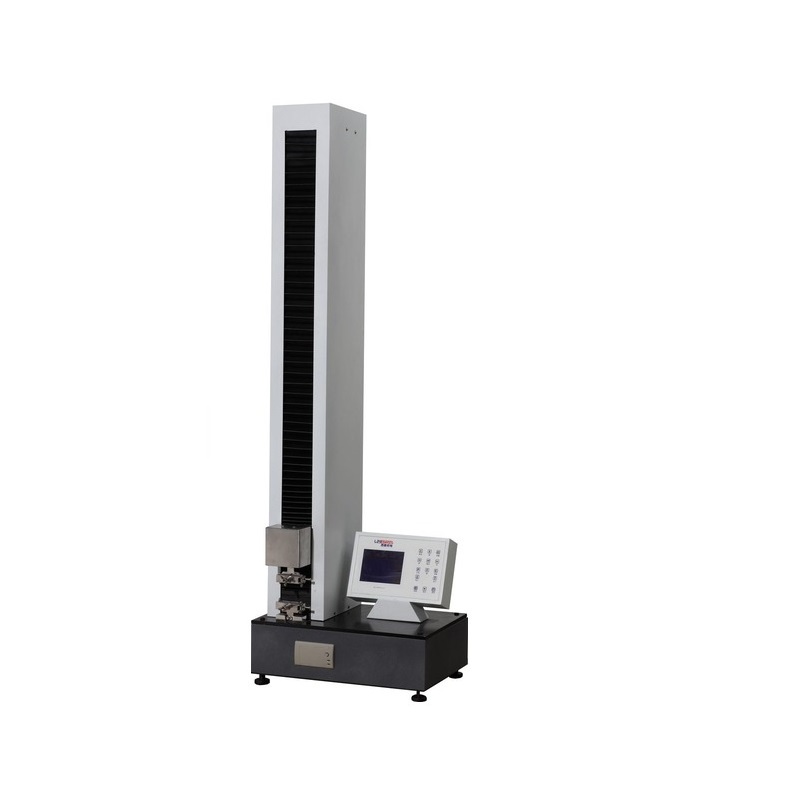
Classification is simplified to four classes by service temperature — ambient, boiling, semi-retort and full-retort — bounded at 80 °C, 100 °C and 121 °C, sweeping away the old multi-axis scheme based on structure, shape and end use. Six mechanical properties are graded from 1 to 5: tensile breaking force, nominal tensile strain at break, right-angle tear force, peel force, heat-seal strength and pendulum impact energy. Grade 5 is the highest, which inverts the 2007 convention where grade 1 meant the top level — anyone who reuses the old habit when specifying grades will reach the opposite conclusion. The general standard defines only the grade bands; which grade a given product must meet is agreed between supplier and buyer according to the application, so the grade number itself becomes part of the commercial specification.
For paper-plastic laminates the peel table adds a bonding-degree requirement: adhesion between the paper and plastic layers must reach at least 70 percent. Peel force and seal strength of boiling and retort grades must be measured in two states, before and after the heat treatment, so that delamination that appears only after processing cannot slip through inspection. Dimensional and visual rules tighten as well: sheet film length and width tolerances are ±2 mm with thickness within ±10 percent, roll film width is ±2 mm and length may show no negative deviation. Splice counts are capped by roll length — at most one splice below 500 m, two between 500 and 1000 m, and three above 1000 m — and every splice must align with the print pattern, hold firmly and carry a clearly visible mark.
| Aspect | 2007 edition | 2026 edition |
|---|---|---|
| Standard name | General rules for laminated films and pouches | General rules for plastic laminated films and pouches |
| Classification | By structure, shape and end use | Four classes by service temperature |
| Mechanical grading | Grade 1 is the highest | Grades 1 to 5, grade 5 highest |
| Barrier items | WVTR and OTR graded | Five grades each, arbitration methods named |
| Retort performance | Four properties may drop ≤30% | After-retort values must stay at or above grade limits |
| Hygiene clause | Set inside this standard | Removed; separate food-safety standards apply |
3. Barrier grading and the arbitration test methods
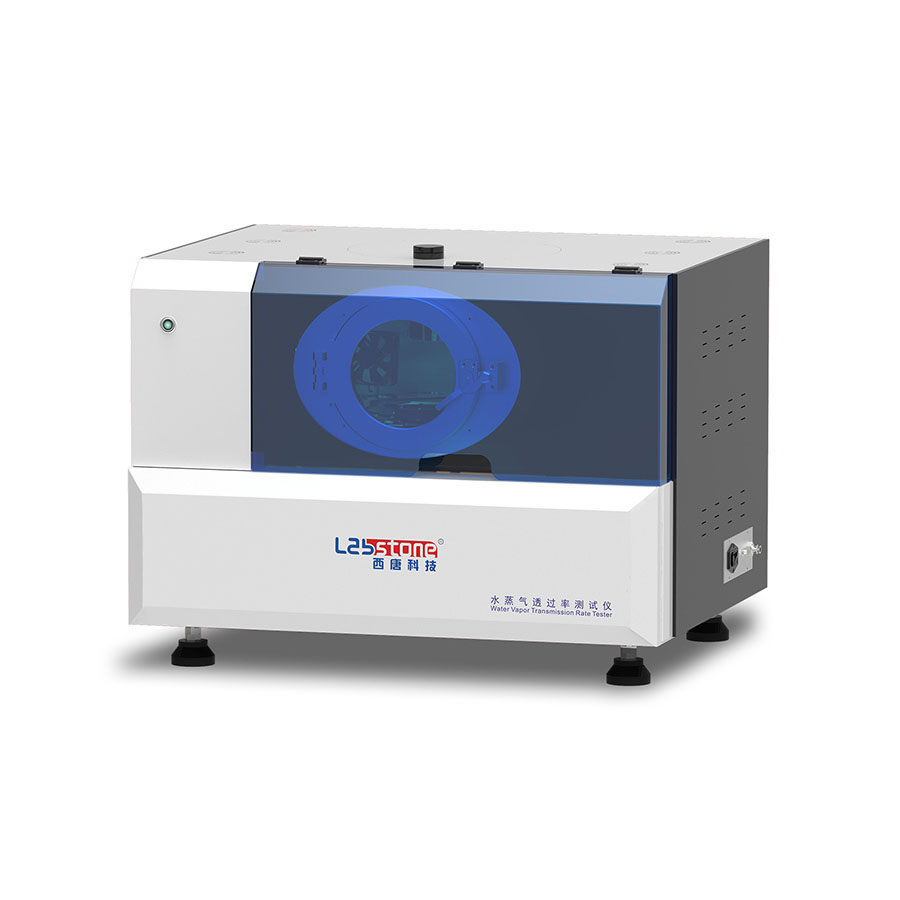
Water-vapour transmission and oxygen transmission are each graded on five levels. WVTR is determined by the instrumental sensor method, the arbitration procedure, run at 38 °C and 90% relative humidity on the humid side, with the gravimetric cup method as the alternative; OTR is arbitrated by the coulometric sensor method, with the differential-pressure method as the alternative. Both tests specify which face of the specimen — the food-contact side — must face the humid or low-pressure side. Laboratories should note that the companion general standard for the same products published in 2026 names the opposite procedures as arbitration, so the two standards must never be mixed within one test report: mixing methods between the two documents on one batch is the most common source of disputed barrier data, and every report should state explicitly which method code was followed.
4. Retort grades and the heat-resistance test
For boiling, semi-retort and full-retort grades, the heat-resistance test packs the pouch with model media — 4% acetic acid, 1% sodium sulphide, 5% sodium chloride solution and refined vegetable oil — and processes it in a retort with pressure counterbalance for 40 minutes at the temperature matching the product class, then evaluates it after cooling to below 40 °C. The acceptance rule changes fundamentally: the 2007 edition allowed the four key mechanical properties to fall by up to 30 percent, while the new edition demands that peel force, tensile breaking force, nominal tensile strain and seal strength after treatment all remain at or above the graded limits, and adds a barcode-readability requirement. After the cycle the pouch must show no delamination, no breakage and no obvious deformation, which effectively rules out marginal adhesive systems that used to pass on a 30 percent allowance.
5. Other changes and how to prepare before the effective date
The terminology system now defines solvent-free lamination, thermal lamination, hot-melt lamination, coating and repeat length, aligning the standard with processes that dominate modern converting lines. Sensory requirements add an off-odour clause: smelled at less than 100 mm from the sample, the product must show no abnormal odour. Light transmittance and haze gain a test method reference with limit values left to product standards, and printing provisions extend to offset, digital and Hanxin-code printing with a repeat-length deviation of ±0.5 percent. Because the hygiene clause has been removed, food-contact compliance still runs through the food-safety standard system — a general-standard test report cannot replace the migration and food-safety evaluation, so quality teams must manage the two document sets in parallel. Roll-film splice marks and print quality rules likewise belong on the audit checklist before the first shipment under the new edition.
- Published 30 July 2026, effective 1 February 2027, replacing the 2007 edition; name now covers plastic laminates
- Classification: four classes by service temperature (ambient, boiling, semi-retort, full-retort); six mechanical properties graded 1–5 with grade 5 highest
- Barrier: WVTR and OTR on five levels each; WVTR arbitrated by the instrumental method (38 °C, 90% RH), OTR by the coulometric method
- Retort grades: peel and seal strength tested before and after treatment; after 40 min in media all four properties must stay at or above grade limits
- Paper-plastic bonding degree ≥70%; hygiene clause removed, food contact judged under the separate food-safety standard system